Publisher: EUROPA EDITIONS

  • The Brittle Age L’età fragile

    The Brittle Age L’età fragile

    In the 1990s, deep in the Maiella mountains of Central Italy, a brutal crime shattered the peace of the local community. Two young women were murdered, a third left for dead. Lucia was twenty years old back then, and the only survivor, a childhood friend.

    Now Lucia is a physiotherapist, separating from her husband, her daughter Amanda studying in Milan. When the pandemic forces Amanda to return to the family’s home near Pescara, forever changed by her experiences, Lucia’s memories are reawakened, and with them the impact of past trauma. Set against the backdrop of the rugged Apennine mountains, the narrative intricately weaves Lucia and Amanda’s personal struggles with the mystery of the tragedy that marked their familial land decades earlier.

    Inspired by true events, The Brittle Age is a tale of individual resilience, and a commentary on the indelible impact of historical events on personal lives and the broader community.
  • The Night in Gethsemane : On Solitude and Betrayal

    The Night in Gethsemane : On Solitude and Betrayal

    As the Gospels tell us, after the Last Supper Jesus retreats to a small field just outside the city of Jerusalem: Gethsemane, the olive grove. His prayers are interrupted when Judas arrives with a group of armed men, and kisses him. The kiss, given to point Jesus out to the guards, has become a powerful symbol of the wrenching experience of betrayal, and abandonment.

    Betrayed by his disciples, even by Peter, the most faithful of them all, Jesus is forsaken. His sin, to have drawn God closer to man. In The Night in Gethsemane, Massimo Recalcati, one of Italy’s highest regarded psychoanalysts, traces the relationship between biblical text and psychoanalytical theory, revealing human life in all its fragility and its agony.

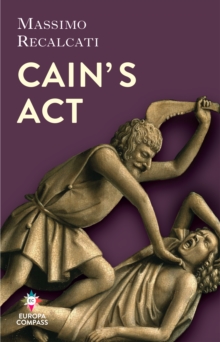
  • Cain’s Act

    Cain’s Act

    What lies at the foundation of human history and life in a society? According to Massimo Recalcati, it is not the sentiment of love for one’s neighbour preached by Jesus in the Gospels but the brutal hatred and violence depicted in the story of Cain and Abel. As timely as it is brilliant, this essay examines Cain’s murderous act through the lens of psychoanalysis, showing how delusions of self-sufficiency and individual perfection lie at the deepest roots of fear and violence in our societies.

    True completeness can only be achieved through others-not despite them. This, argues Recalcati, is the lesson of Cain, one that resonates powerfully in our time.

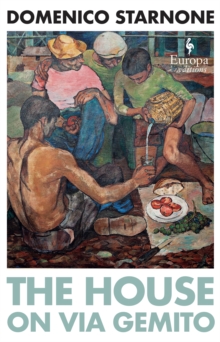
  • The House on Via Gemito

    The House on Via Gemito

    The modest apartment in Via Gemito smells of paint and white spirit. The living room furniture is pushed up against the wall to create a make-shift studio, and drying canvases must be moved off the beds each night. Federi, the father, a railway clerk, is convinced of possessing great artistic talent.

    If he didn’t have a family to feed, he’d be a world-famous painter. Ambitious and frustrated, genuinely talented but full of arrogance and resentment, his life is marked by bitter disappointment. His long-suffering wife and their four sons bear the brunt.

    It’s his first-born who, years later, will sift the lies from the truth to tell the story of a man he spent his whole life trying not to resemble. Narrated against the background of a Naples still marked by WWII and steeped in the city’s language and imagery, The House on Via Gemito – first published 20 years ago – is a masterpiece of contemporary Italian literature.

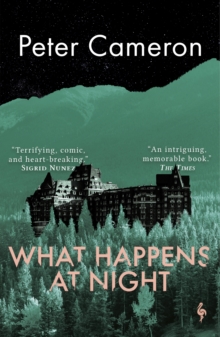
  • What Happens at Night

    What Happens at Night

    An American couple travels to a strange, snowy European city to adopt a baby. It’s a difficult journey that leaves the wife, who is struggling with cancer, desperately weak, and her husband worries that her illness will prevent the orphanage from releasing their child. The couple check into a cavernous and eerily deserted Grand Imperial Hotel where the bar is always open and the lobby populated with an enigmatic cast of characters ranging from an ancient, flamboyant chanteuse to a debauched businessman, and an enigmatic faith healer.

    Nothing is as it seems in this baffling, frozen world, and the more the couple struggles to claim their baby, the less they seem to know about their marriage, themselves, and life itself.

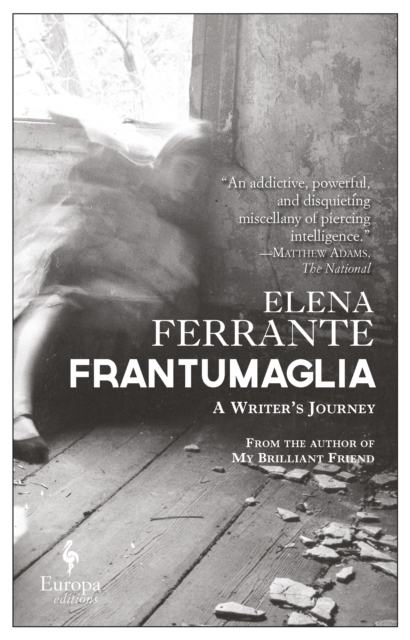
  • Frantumaglia: An Author’s Journey Told Through Letters, Interviews, and Occasional Writings

    Frantumaglia: An Author’s Journey Told Through Letters, Interviews, and Occasional Writings

    This is a vibrant and intimate portrait of a writer at work as it invites readers into Ferrante’s workshop – the bestselling Italian author of My Brilliant Friend.

  • The Story of a New Name (Storia del nuovo cognome)

    The Story of a New Name (Storia del nuovo cognome)

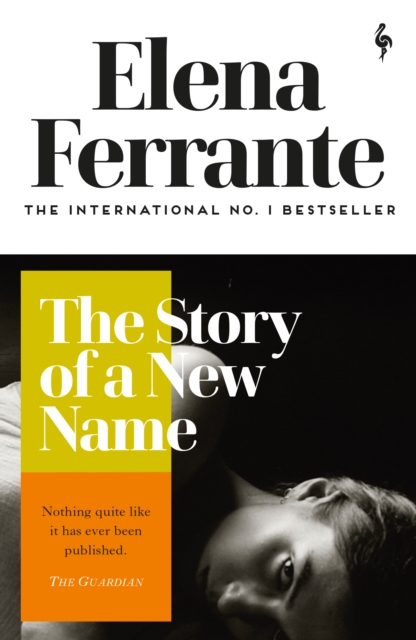
    The sequel to My Brilliant Friend, featuring Lila and Elena. The 2 young women share a complex and evolving bondthat brings them close at times and drives them apart at others.

  • My Brilliant Friend (L’amica geniale)

    My Brilliant Friend (L’amica geniale)

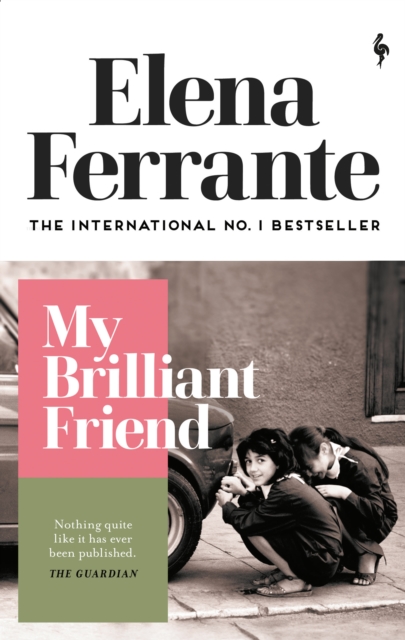
    The Neapolitan Quartet opens with the story of Elena and Lila growing up in the mid-century Naples outskirts, relying on each other in a tough environment at the heart of a changing Italy.