
«No creo que la sociedad que he descrito en 1984 necesariamente llegue a ser una realidad, pero sí creo que puede llegar a existir algo parecido», escribía Orwell después de publicar su novela. Corría el año 1948, y la realidad se ha encargado de convertir esa pieza -entonces de ciencia ficción- en un manifiesto de la realidad.
En el año 1984 Londres es una ciudad lúgubre en la que la Policía del Pensamiento controla de forma asfixiante la vida de los ciudadanos. Winston Smith es un peón de este engranaje perverso y su cometido es reescribir la historia para adaptarla a lo que el Partido considera la versión oficial de los hechos. Hasta que decide replantearse la verdad del sistema que los gobierna y somete. La presente edición, avalada por The Orwell Estate, sigue fielmente el texto definitivo de las obras completas del autor, fijado por el profesor Peter Davison. Incluye un epílogo del novelista Thomas Pynchon, que aporta al análisis del libro su personal visión de los totalitarismos y la paranoia en el mundo moderno. Miguel Temprano García firma la soberbia traducción, que es la más reciente de la obra.La crítica ha dicho…
Author: ORWELL GEORGE
-
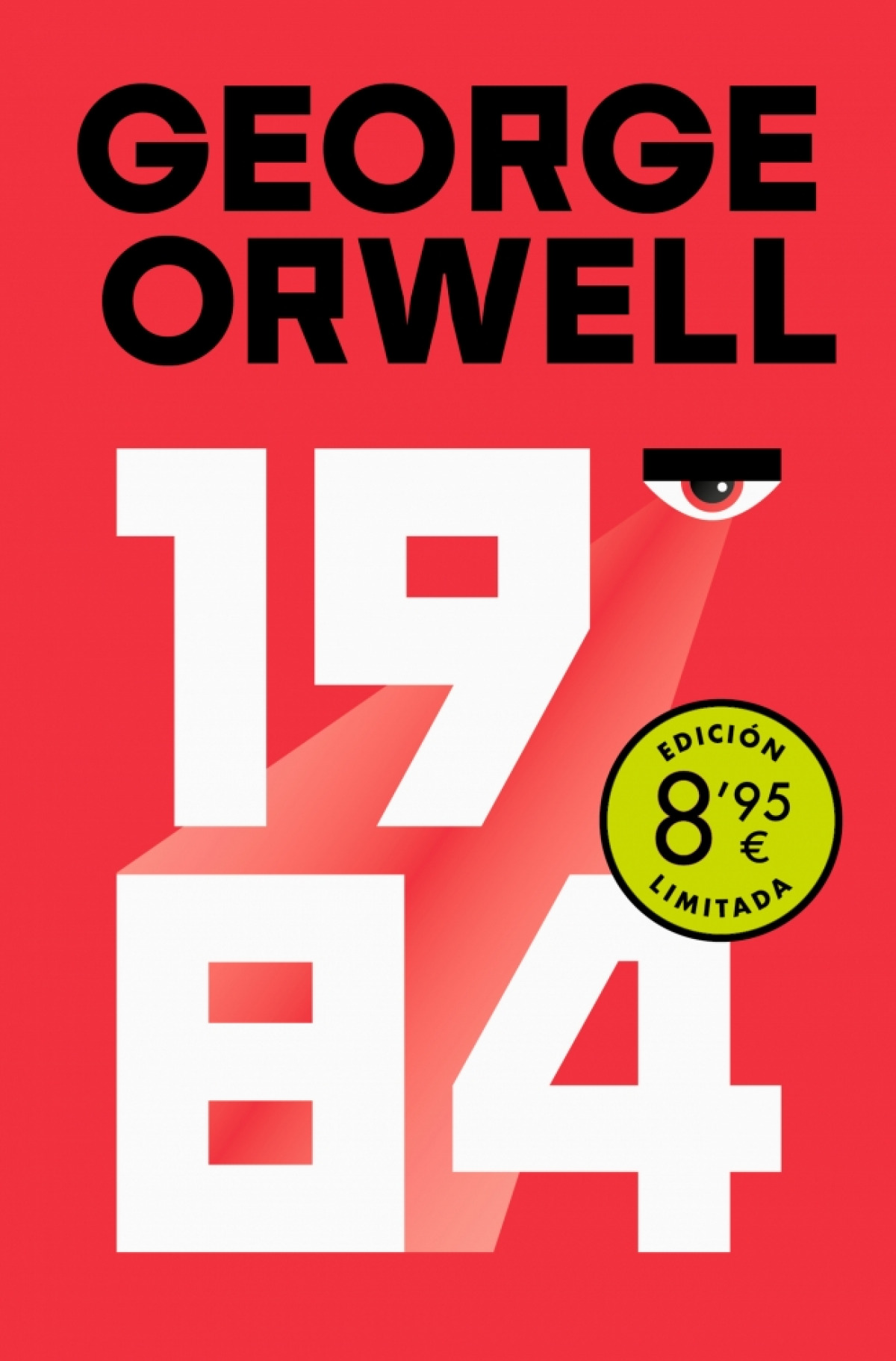
1984 (edición definitiva avalada por The Orwell Estate)
-
Animal Farm
In 1943, there was an urgent need for Animal Farm. The Soviet Union had become Britain’s ally in the war against Nazi Germany, and criticism of Stalin’s brutal regime was either censored or discouraged. In any case, many intellectuals on the left still celebrated the Soviet Union, claiming that the terrors of its show trials, summary executions and secret police were either exaggerated or necessary.
But, to Orwell, Stalin was always a “disgusting murderer” and he wanted to remind people of this fact in a powerful and memorable way. But how to do it? A political essay would never reach a wide enough audience; a traditional novel would take too long to write. Orwell hit on the inspired idea of combining the moralism of the traditional ‘beast fable’ with the satire of Gulliver’s Travels.
A group of farmyard animals, led by the pigs, overthrow their human masters. Their revolution is inspired by high ideals: the farm will be run in the interests of its animals with no more slaughtering, plenty of food for all and comfort in retirement. But when Napoleon the pig takes command, he quickly corrupts their principles, creating a new tyranny worse than the old.
Orwell wrote Animal Farm in the middle of the Second World War, but at first no publishers wanted to touch it. It was finally published in August 1945, once the war was over. This little book quickly became a seminal text in the emerging ‘cold war’ (a phrase that Orwell himself coined).
It also became a site of that conflict itself, suffering various attempts to subvert or change its meaning. Today, Animal Farm remains a powerful fable about the nature of tyranny and corruption which applies for all ages. Our edition also includes the following essays: Shooting an Elephant; Charles Dickens; Inside the Whale; The Frontiers of Art and Propaganda; Literature and Totalitarianism; Fascism and Democracy; Patriots and Revolutionaries; Catastrophic Gradualism; Some Thoughts on the Common Toad; Why I Write; Writers and Leviathan
-
Nineteen Eighty-Four : A Novel
The Thought Police, Doublethink, Newspeak, Big Brother – 1984 itself: these terms and concepts have moved from the world of fiction into our everyday lives. They are central to our thinking about freedom and its suppression; yet they were newly created by George Orwell in 1949 as he conjured his dystopian vision of a world where totalitarian power is absolute. In this novel, continuously popular since its first publication, readers can explore the dark and extraordinary world he brought so fully to life. The principal characters who lead us through that world are ordinary human beings like ourselves: Winston Smith and Julia, whose falling in love is also an act of rebellion against the Party.
Opposing them are the massed powers of the state, which watches its citizens on all sides through technology now only too familiar to us. No-one is free from surveillance; the past is constantly altered, so that there is no truth except the most recent version; and Big Brother, both loved and feared, controls all. Even the simple act of keeping a diary – as Winston does – is punishable by death.
In Winston’s battle to keep his freedom of thought, he has a powerful adversary in O’Brien, who uses fear and pain to enter his very thought processes. Does 2+2 = 4? Or is it 5? We find out in Room 101. Nineteen Eighty-Four was Orwell’s last novel; but the world he created is always with us, as successive generations of readers find within it a mirror for their own times and a warning for the future. Our edition also includes the following selection of Orwell’s essays, column extracts and broadcasts: A Hanging; Spilling the Spanish Beans; Reviews of Jack London, The Iron Heel; H.G. Wells, When the Sleeper Awakes; Aldous Huxley, Brave New World; Ernest Bramah, The Secret of the League ; England Your England; Looking Back on the Spanish War; Arthur Koestler; The Prevention of Literature; Politics and the English Language; Why I Write; Politics Vs Literature; Sir Walter Raleigh; The Three Super-States of the Future; Persecution of Writers in USSR; Literature and Totalitarianism; Imaginary Interview: George Orwell and Jonathan Swift
-
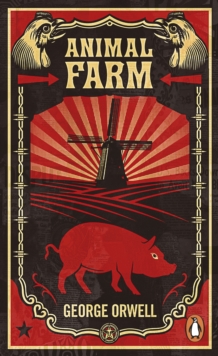
Animal Farm
The perfect edition for any Orwell enthusiasts’ collection, discover Orwell’s classic dystopian masterpiece beautifully reimagined by renowned street artist Shepard Fairey ‘All animals are equal. But some animals are more equal than others.’ Mr Jones of Manor Farm is so lazy and drunken that one day he forgets to feed his livestock. The ensuing rebellion under the leadership of the pigs Napoleon and Snowball leads to the animals taking over the farm.
Vowing to eliminate the terrible inequities of the farmyard, the renamed Animal Farm is organised to benefit all who walk on four legs. But as time passes, the ideals of the rebellion are corrupted, then forgotten. And something new and unexpected emerges… First published in 1945, Animal Farm – the history of a revolution that went wrong – is George Orwell’s brilliant satire on the corrupting influence of power.
-
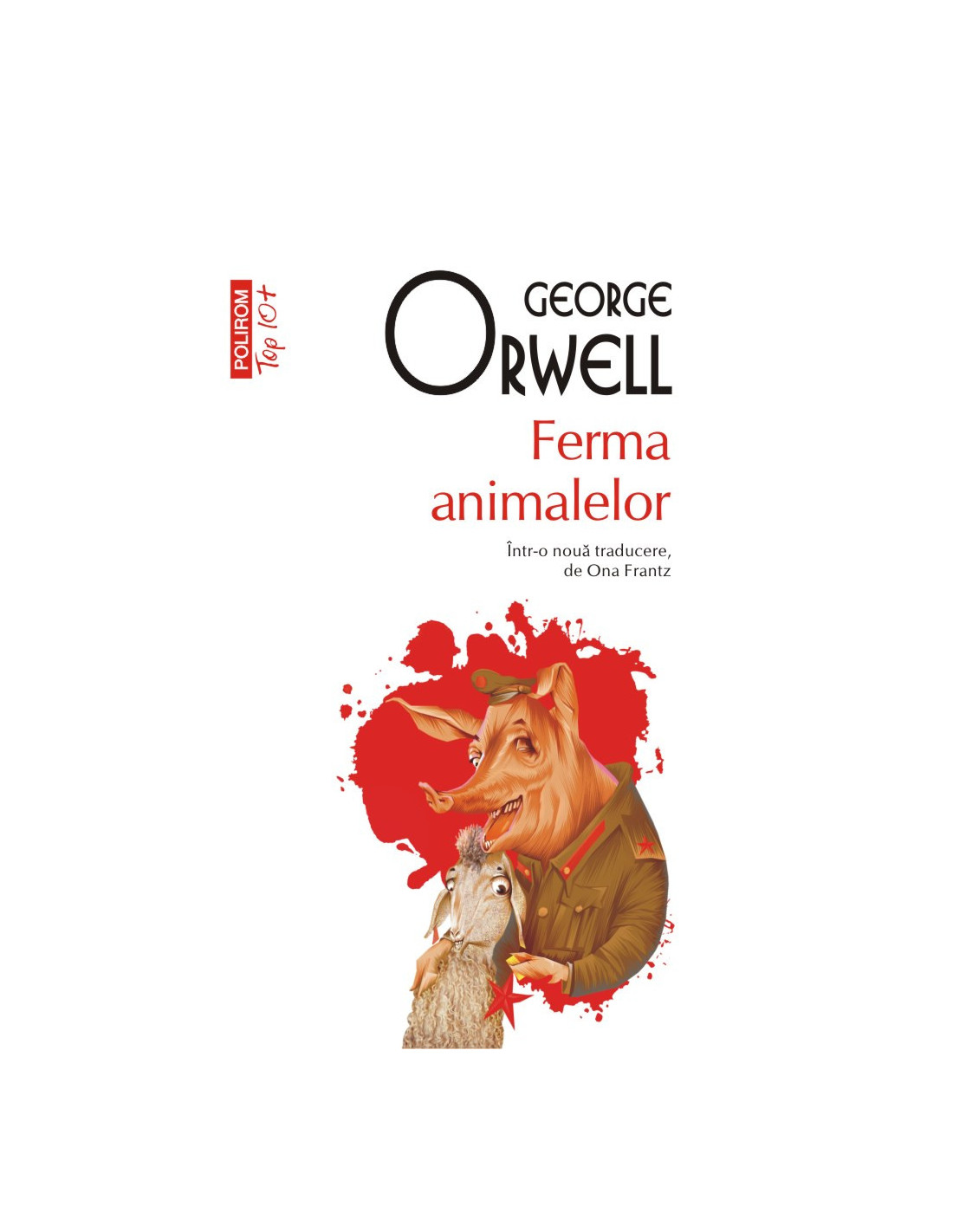
Ferma animalelor
Cînd animalele de la fermă îşi alungă stăpînul beţiv, toate sînt cuprinse de un zel colectiv. Fiecare munceşte peste program, astfel productivitatea creşte şi, pentru moment, gurile sînt sătule. Regulile de aur ale colectivităţii vor fi înscrise cu litere uriaşe pe un hambar: toate animalele sînt egale, nici un animal să nu bea alcool, să nu poarte haine, să nu doarmă în pat, să nu-şi ucidă semenii. Dar nu trece mult pînă cînd porcii preiau conducerea fermei şi se bucură de privilegiile puterii. Punctul culminant, o subtilă ironie la adresa regimului comunist, poate fi înţeles fie şi numai din ultima regulă care mai rămîne înscrisă pe hambar: „Toate animalele sînt egale, dar unele animale sînt mai egale decît altele”.
-
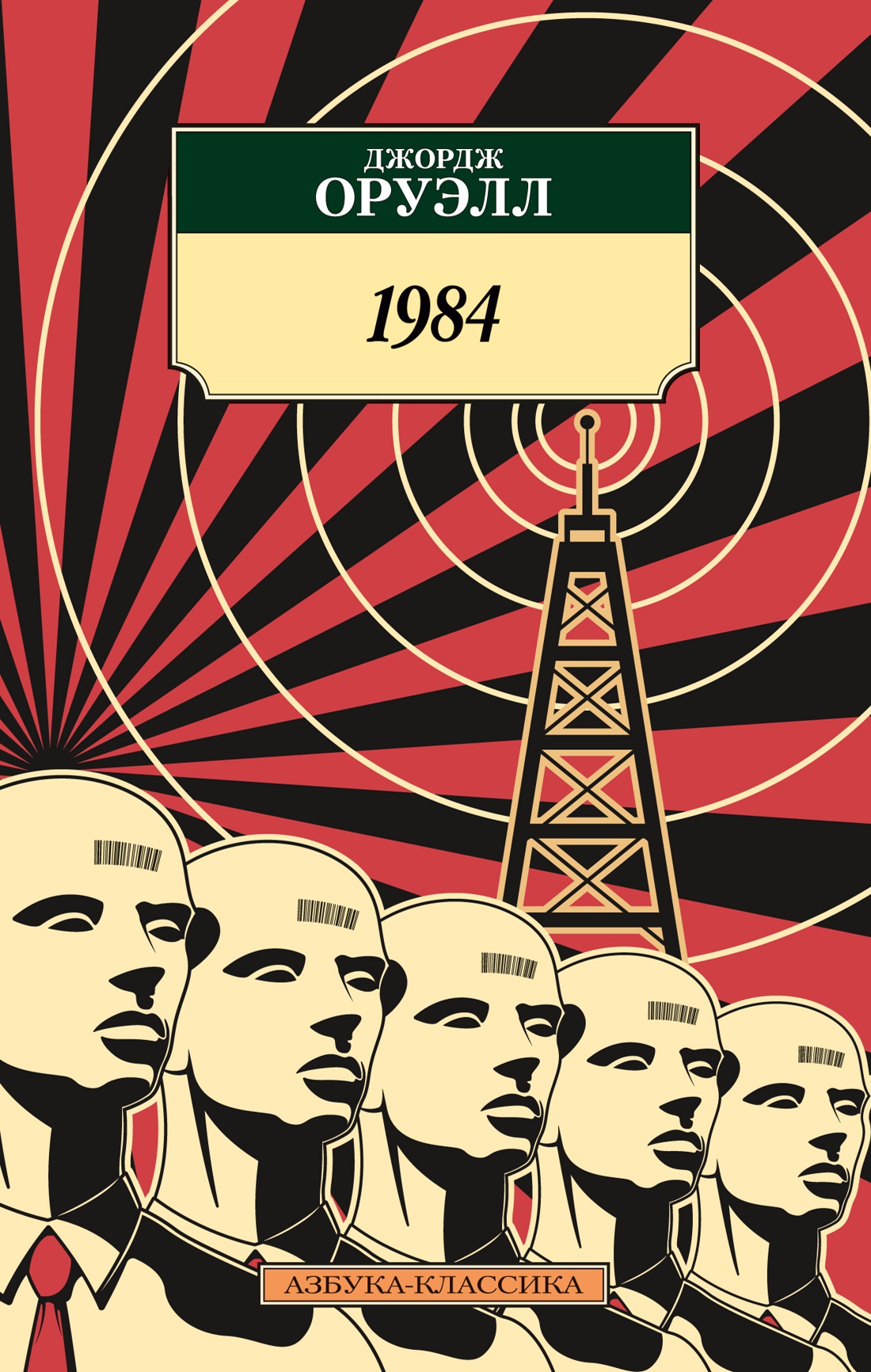
1984
Английский писатель, критик, публицист и журналист Джордж Оруэлл (настоящее имя Эрик Артур Блэр) вошел в историю литературы прежде всего благодаря своему последнему роману «1984» (1948, опубл. 1949), который, наряду с «Мы» Е. Замятина и «Прекрасным новым миром» О. Хаксли, стал одной из главных книг-антиутопий ХХ века. Изображенное автором общество будущего основано на узурпации власти в руках одной партии, единственно верной идеологии, абсурдной пропаганде, тотальном контроле общественной и частной жизни и насильственном подавлении любого инакомыслия; место и время действия романа – вымышленная страна Океания 1984 года, однако в облике этого государства легко узнаются реалии советского строя 1930-1940-х годов и других диктаторских режимов – ибо, по мысли Оруэлла, все диктатуры стоят друг друга…
-
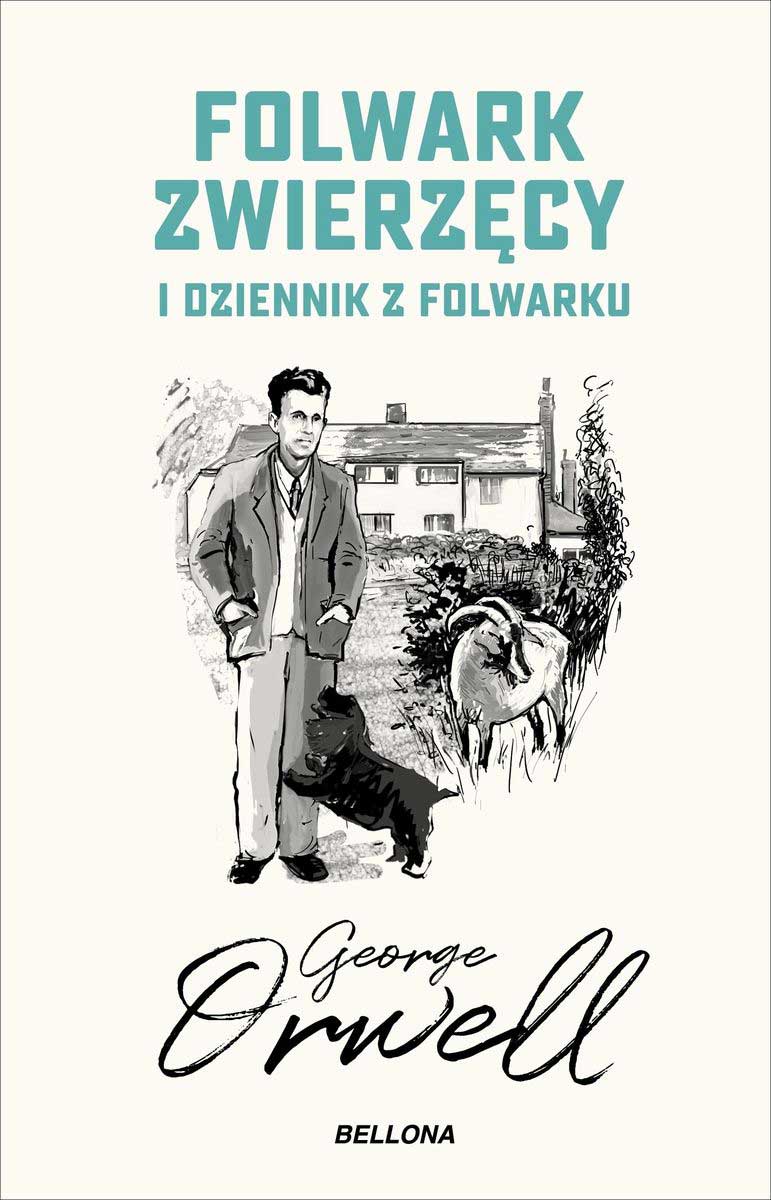
Folwark zwierzęcy. Dziennik z folwarku La fattoria degli animali
Odrzucana przez znanych brytyjskich wydawców, również z przyczyn politycznych (wcześniej jej maszynopis omal nie został zniszczony w Londynie w eksplozji niemieckiej latającej bomby V-1), alegoryczna bajka Folwark Zwierzęcy ukazała się ostatecznie w Anglii 17 stycznia 1945 r. w nakładzie 4 500 egzemplarzy.
Od tamtej pory wydrukowano ich na świecie dziesiątki milionów, a brytyjski Book Marketing Council zaliczył Folwark do dwunastu najznakomitszych dzieł współczesnych czasów. Pochodząca zeń fraza „równi i równiejsi” weszła do powszechnego obiegu. Genialne dzieło Orwella można przy tym odczytywać na wielu płaszczyznach: pozornie jest to satyra na Rewolucję Październikową i fundamentalny konflikt Stalina z Trockim, zarazem można je rozumieć jako mroczną metaforyczną opowieść o ludzkiej niedoskonałości i niezmiennych prawach historii. Światek Folwarku to nie tylko świat za „żelazną kurtyną”, który w tej części Europy poznaliśmy własnym doświadczeniem, lecz i parabolicznie ujęty epizod z dziejów ludzkości…
Dziennik z Folwarku, publikowany w polskim przekładzie po raz pierwszy, ukazuje nam zaś jakże innego Orwella niż ten ogólnie znany. Pisząc we wsi Wallington Folwark, prowadził on właśnie ten dziennik. Nie ma w nim jednak mroku polityki, nie ma zła i przemocy – są goździki, zioła, róże, sadzenie warzyw, okopywanie grządek, kurniki, problemy z kretami, wybiegi dla drobiu, sadzeniaki, inspekty i dokuczliwe mszyce… I radość pisarza z obcowania z piękną angielską przyrodą jakiej dziś już nie ma.
-
1984
Jedna z najsłynniejszych powieści XX wieku! Nowe tłumaczenie, obnażające współczesne formy zniewolenia.
Okrutna i sugestywna wizja świata, w którym rządzi przemoc i strach, a władza panuje nie tylko nad losem człowieka, ale też nad jego myślami i uczuciami. Boleśnie aktualna opowieść o pragnieniu władzy i konsekwencjach jej nadużywania.
Zarazem to przejmująca, głęboko ludzka opowieść o samotności, o tęsknocie do miłości, wolności, prawdy. Historia tragicznej pary kochanków, Winstona i Julii, czytana na całym świecie, często w podziemnych lub przemycanych wydaniach, była głosem ostrzeżenia przed zniewoleniem umysłu. Użyte w niej pojęcia – „nowomowa”, „Policja Myśli”, „dwójmyślenie” czy „Wielki Brat” – weszły do języka potocznego wielu narodów.
Literackie mistrzostwo świata! Pozycja obowiązkowa!
-
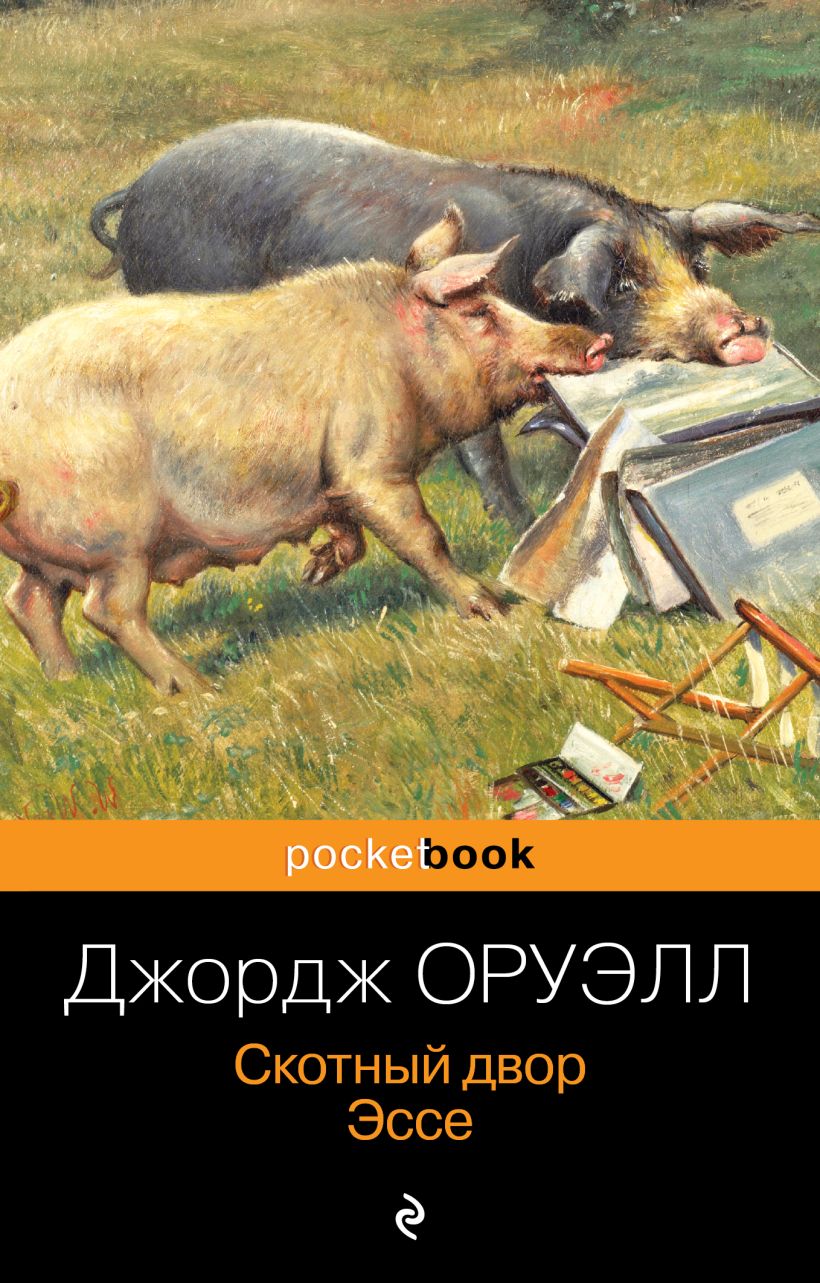
Skotnyj dvor. Esse Скотный двор. Эссе La fattoria degli animali
Повесть-притча Скотный двор Джорджа Оруэлла полна острого сарказма и политической сатиры. Обитатели фермы олицетворяют самые ужасные людские пороки, а сама ферма становится символом тоталитарного общества. Как будут существовать в таком обществе его обитатели — животные, которых поведут на бойню?
В сборник также входят эссе писателя на актуальные и сегодня политические и культурные темы.
-
Animal Farm La Fattoria degli Animali
The animals at Manor Farm have had enough of Farmer Jones – he’s drunk, reckless and cares little for their welfare. When the boar, Old Major, shares his revolutionary plans, the animals are convinced they can thrive on their own once the despot Jones is overthrown.
But as the pigs vie for power, they begin to bear an uncanny resemblance to the tyrants they have overthrown… George Orwell’s renowned fable became an instant success on publication after the Second World War. The novel has continued to captivate readers of all ages, and has secured Orwell’s position as one of the great writers of the twentieth century.
-
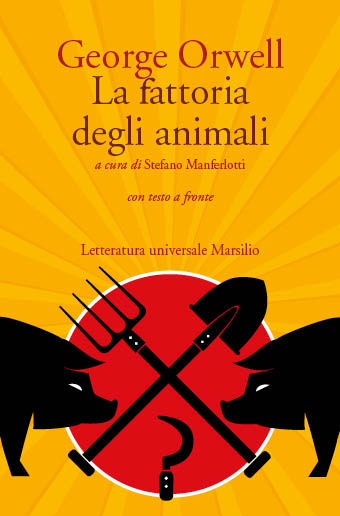
La fattoria degli animali (con testo inglese a fronte)
Scritta in soli tre mesi (novembre 1943 – febbraio 1944) con l’intento di affiancare a una satira della Russia stalinista la denuncia di qualunque forma di totalitarismo, La fattoria degli animali diventò subito un best seller internazionale.
La storia degli animali che si ribellano ai loro sfruttatori per instaurare una società degli uguali che a poco a poco degenera in un incubo macchiato di sangue è narrata in uno stile terso e ammaliante, che trascorre con felice naturalezza dall’ironia al sarcasmo, dal grottesco all’umorismo nero. I temi dibattuti in questa avvincente parabola sono fra quelli che ancora travagliano il nostro presente: la lotta per il potere, l’uso fraudolento del linguaggio, la falsificazione del passato, la menzogna come strumento politico, la violenza riservata a chiunque dissenta.17 -
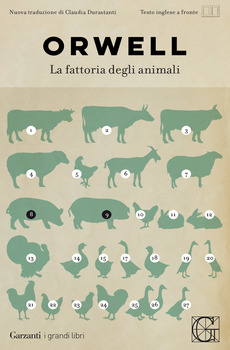
La fattoria degli animali (con testo inglese a fronte)
Sotto la guida di Major, vecchio e saggio maiale che mal sopporta i soprusi dell’uomo, gli animali di una fattoria si ribellano, instaurando un nuovo ordine in cui vige, tra gli altri, il comandamento: «Tutti gli animali sono uguali». Ma l’uguaglianza, l’armonia e la concordia che regolano i rapporti di questa inedita comunità presto vacillano: proprio i maiali, leader della rivolta, iniziano infatti a distinguersi come nuova classe dominante. Da un certo momento in poi, tutti gli animali saranno uguali, ma alcuni lo saranno più degli altri. In questo libro, tra i più noti della letteratura mondiale, George Orwell costruisce la satira feroce della dittatura sovietica e di ogni regime totalitario, e ritrae, in un affresco inquietante e grottesco, il naufragio delle illusioni rivoluzionarie.
-
1984 (con testo inglese a fronte)
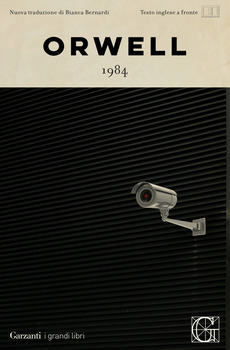
Pubblicato nel 1949 e inizialmente progettato con il titolo L’ultimo uomo in Europa , 1984 proietta nel futuro uno stato totalitario, Oceania, che include al proprio interno l’Inghilterra. I suoi cittadini sono indottrinati e controllati da un governo invisibile che attraverso teleschermi spia ogni momento della loro vita pubblica e privata. In questo mondo spaventoso e angosciante, teso tra fantascienza e profetico realismo, Winston Smith, un uomo qualunque, lotta per tenere viva la fiamma della propria identità e della propria coscienza, in uno sforzo disperato che non potrà che portarlo all’annientamento. Capolavoro assoluto di uno dei più attuali autori del Novecento, 1984 è un monito perenne contro i totalitarismi di oggi e di domani.
-
1984 Nineteen Eighty-Four
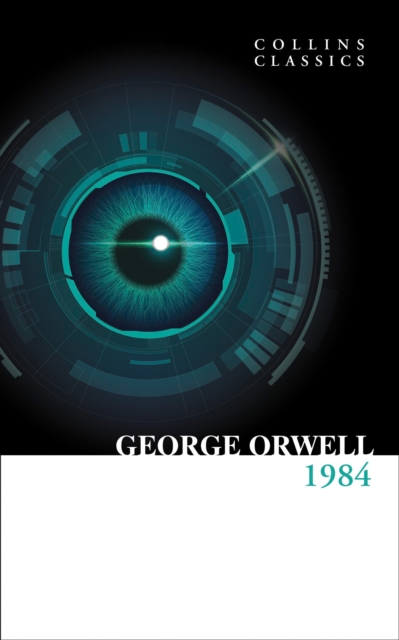
Winston Smith rewrites history. It’s his job.
Hidden away in the Record Department of the sprawling Ministry of Truth, he helps the Party, and the omnipresent Big Brother, control the people of Oceania. Winston knows what a good citizen of Oceania must do: show his devotion for Big Brother and the Party; abstain from all vices; and, most importantly, possess no critical thoughts of their own. The new notebook he’s begun to write in is definitely against the rules – in fact, the Thought Police could arrest him simply for having it.
Yet, as Winston begins to write his own history, a seed of rebellion begins to grow in his heart – one that could have devastating consequences. In George Orwell’s final and most well-known novel, he explores a dystopian future in which a totalitarian government controls the actions, thoughts and even emotions of its citizens, exercising power through control of language and history. Its lasting popularity is testament to Orwell’s powerful prose, and is a passionate political warning for today.
-
Animal Farm La fattoria degli animali
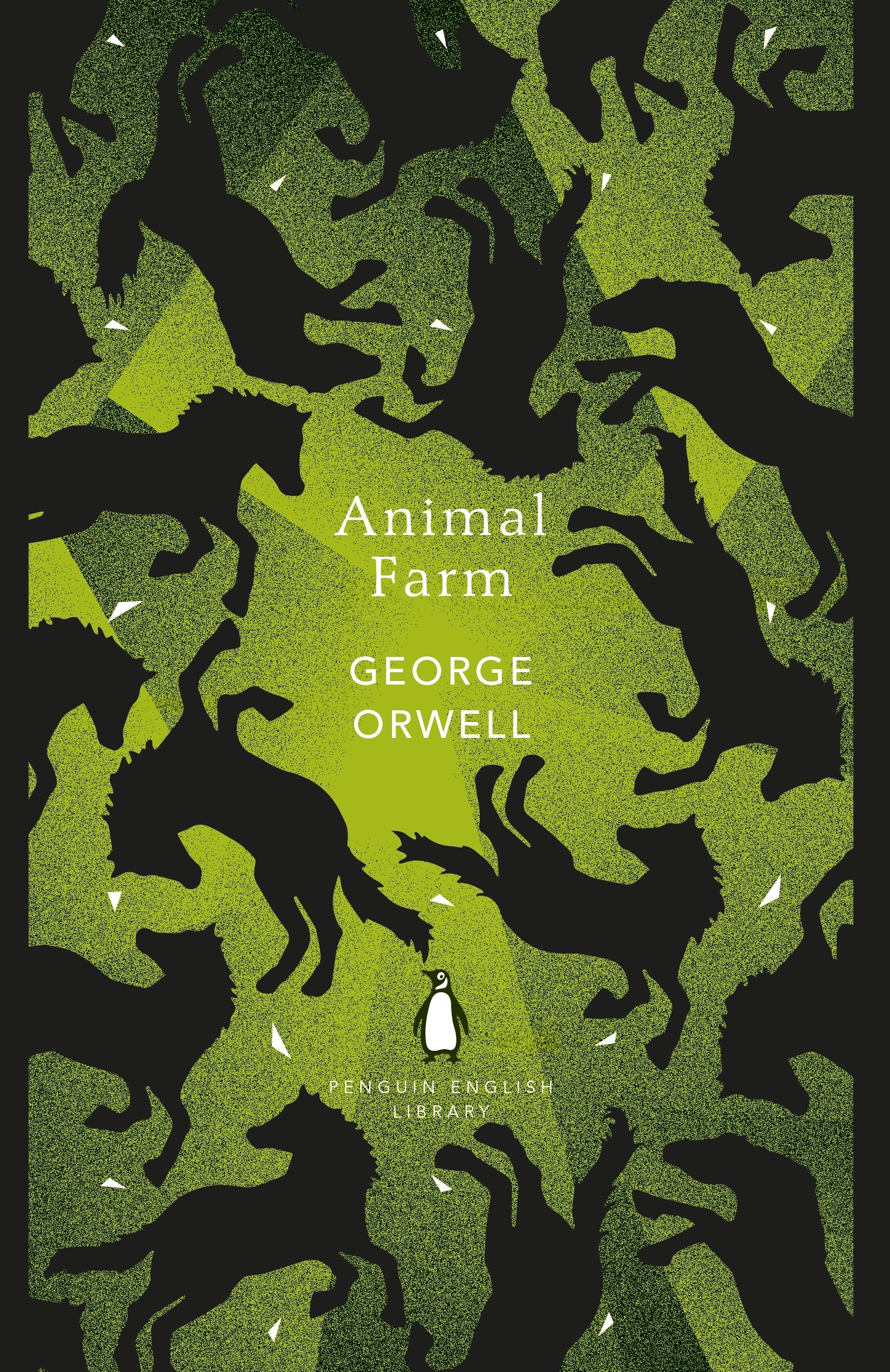
‘All animals are equal – but some are more equal than others.’
When the downtrodden animals of Manor Farm overthrow their master Mr Jones and take over the farm themselves, they imagine it is the beginning of a life of freedom and equality. But gradually a cunning, ruthless élite among them, masterminded by the pigs Napoleon and Snowball, starts to take control. Soon the other animals discover that they are not all as equal as they thought, and find themselves hopelessly ensnared as one form of tyranny is replaced with another.
The Penguin English Library – collectable general readers’ editions of the best fiction in English, from the eighteenth century to the end of the Second World War.